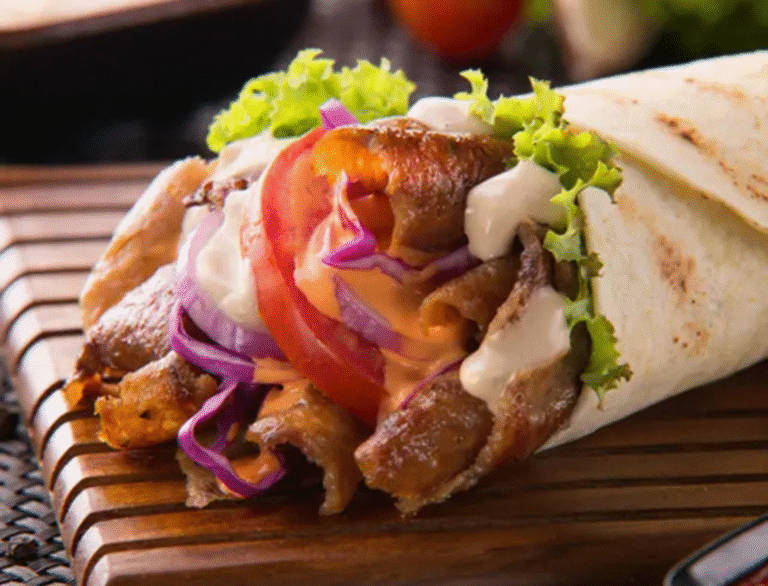
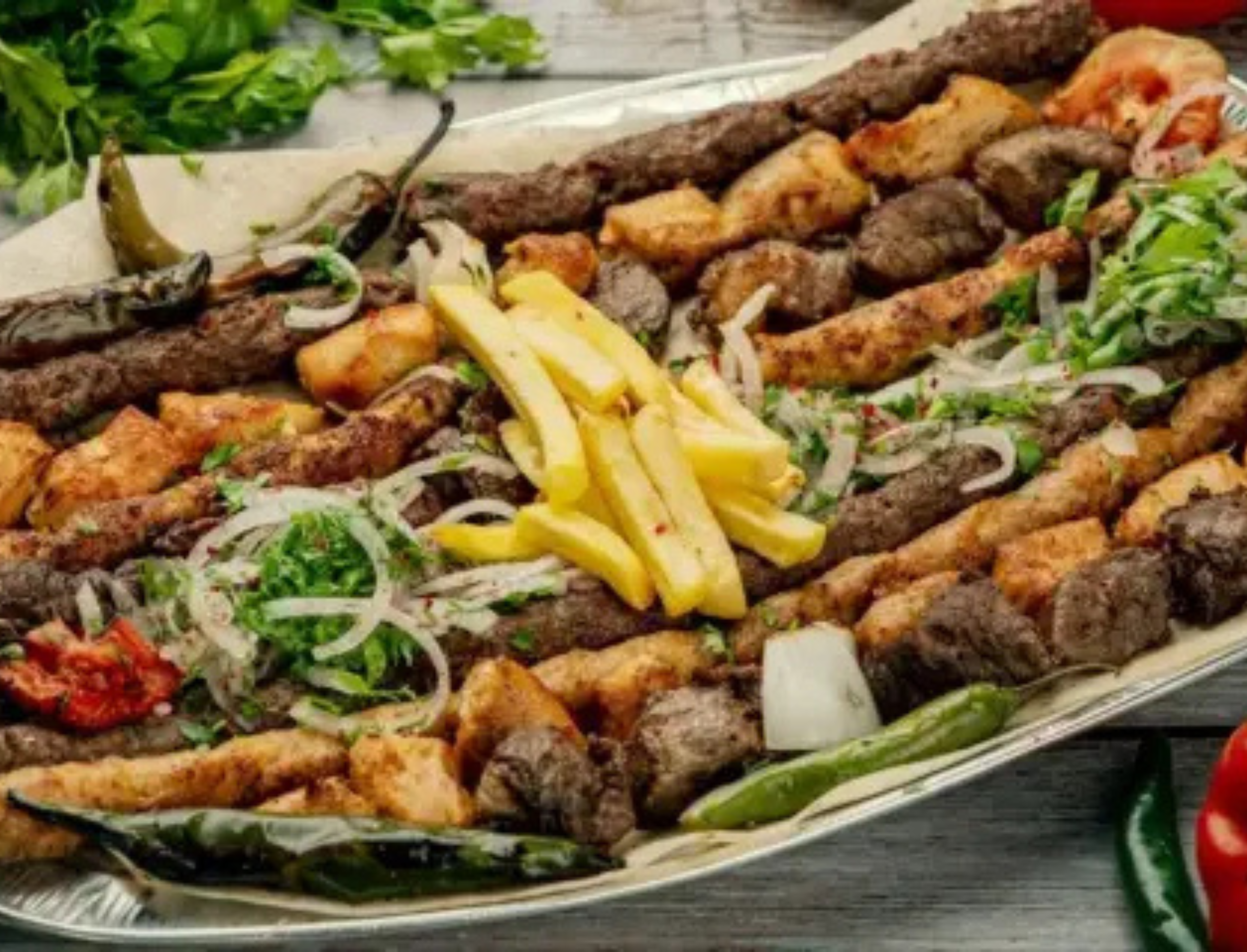
How Charcoal Plates Bring Out the Best Flavour in Grilled Food
There’s something truly special about food cooked over charcoal — the smoky aroma, the charred edges, and the deep, savoury flavour that no gas or electric grill can quite match. Whether it’s meat, seafood, or vegetables, a charcoal plate adds an unmistakable taste of authenticity that food lovers can’t resist.
But what exactly makes a charcoal plate different? And why does it make grilled food taste so much better? Let’s explore the science, tradition, and craft behind this delicious cooking style.
What Is a Charcoal Plate?
A charcoal plate refers to a grilled meal where the food — usually marinated meats or vegetables — is cooked over hot charcoal. Unlike gas or electric grills, charcoal provides a natural, high-heat flame that enhances flavour through smoke and caramelisation.
The heat from charcoal is not just intense — it’s dynamic. It radiates evenly and infuses the food with that smoky depth you simply can’t replicate with modern cooking methods. Charcoal plates are popular in many cuisines, including Turkish, Middle Eastern, and Mediterranean cooking, where flame-grilled dishes are a central part of the dining experience.
The Secret Behind Charcoal-Grilled Flavour
The secret lies in the Maillard reaction — the process that occurs when proteins and sugars in food react under high heat, creating a browned, flavourful crust. Charcoal heat is ideal for this, as it reaches temperatures that allow perfect caramelisation without overcooking the inside.
When juices from meat drip onto the charcoal, they instantly vaporise and rise back up as aromatic smoke. That smoke coats the food, infusing it with layers of smoky richness that define the taste of a true charcoal plate.
This combination of searing heat and smoky infusion creates a multi-sensory experience — crisp on the outside, tender inside, and bursting with that unmistakable flame-grilled aroma.
Why Charcoal Cooking Enhances Taste
Charcoal cooking offers several unique benefits that make food taste better:
- Natural Smoke: Adds depth and aroma that gas burners can’t reproduce.
- High Heat: Locks in juices and creates the perfect crust.
- Even Cooking: Radiant heat ensures food cooks evenly all around.
- Caramelisation: Brings out sweetness in meats and vegetables.
- Pure Simplicity: No need for artificial flavours or heavy sauces — the fire does the work.
Every element of the process — from choosing the charcoal to managing the flame — contributes to the rich, rustic flavour people love.
Popular Charcoal Plate Dishes
The versatility of charcoal cooking is one of its biggest strengths. You can find charcoal plates in a wide range of cuisines, featuring everything from skewered meats to vegetarian options.
Some of the most popular dishes include:
- Charcoal Chicken Plate: Marinated in herbs, garlic, and lemon, grilled until crisp outside and juicy inside.
- Lamb Charcoal Plate: Tender lamb pieces seasoned with spices and served with rice or salad.
- Mixed Grill Plate: A combination of meats — chicken, lamb, and beef — grilled together for a feast of flavours.
- Charcoal Vegetable Plate: Charred capsicum, eggplant, zucchini, and mushrooms — smoky, sweet, and healthy.
Each dish captures the essence of charcoal cooking: simple ingredients elevated by fire and technique.
Charcoal vs Gas: What’s the Difference?
It’s often debated whether charcoal or gas grilling produces better results. While gas grills are undeniably convenient, charcoal plates have a clear advantage when it comes to flavour and authenticity.
Charcoal grilling delivers a rich, smoky taste that gas simply can’t match. The heat is higher and more radiant, giving food those crisp edges and juicy centres that define a perfectly grilled meal. The aroma is distinct too — that unmistakable scent of fire and smoke that instantly makes you hungry.
Gas grilling, on the other hand, produces a cleaner but milder flavour. The heat is easier to control, which can be great for consistency, but it often lacks the depth and character that comes from real charcoal.
Texture is another big difference. Charcoal-grilled food tends to have crispy outer layers with tender insides, while gas-grilled items can sometimes cook more evenly but miss that flame-kissed finish.
Overall, charcoal cooking requires a bit more attention and skill, but the reward is unbeatable — a deeper flavour, a rustic aroma, and the true essence of open-flame cooking.
The Experience of a Charcoal Plate
Part of the appeal of a charcoal plate isn’t just the taste — it’s the entire experience. Watching food cook over glowing coals connects us to a more traditional way of eating. There’s something satisfying about hearing the sizzle, smelling the smoke, and tasting the result of open-flame cooking.
It’s a meal that engages all the senses — sight, smell, sound, and taste — which is why charcoal plates remain such a timeless favourite.
Tips for the Perfect Charcoal Plate at Home
If you’re cooking on a charcoal grill at home, here are a few tips to achieve that restaurant-quality result:
- Choose the Right Charcoal: Use natural lump charcoal rather than briquettes for cleaner smoke.
- Preheat Properly: Wait until the coals are glowing red with a light ash coating before cooking.
- Control the Heat: Move food closer or further from the flame for different heat levels.
- Don’t Overturn: Let the food sear before flipping to lock in juices.
- Rest Before Serving: Allow meat to rest a few minutes for juicier results.
With a little patience and attention, you can create your own charcoal plate masterpiece at home.
FAQs
Q: What meats are best for a charcoal plate?
Lamb, chicken, and beef are traditional choices. Marinated cuts cook beautifully over charcoal.
Q: Can you cook vegetarian dishes on a charcoal plate?
Absolutely — vegetables like eggplant, zucchini, and capsicum gain incredible flavour when grilled over charcoal.
Q: Is charcoal cooking healthy?
When done properly, yes. Grilling reduces excess fat, and using lean cuts and fresh ingredients keeps it balanced.
Q: What kind of charcoal should I use?
Hardwood lump charcoal is best for pure flavour and steady heat.
Q: Why does food taste better over charcoal?
The smoky vapours from dripping juices add a depth of flavour that can’t be recreated by gas or electric grills.
Final Thoughts
A charcoal plate isn’t just a meal — it’s an experience that celebrates simplicity, flavour, and tradition. Cooking over real fire connects us to the roots of cuisine, reminding us that sometimes, the best flavours come from the most basic ingredients — heat, smoke, and patience.
Whether it’s a grilled meat plate, a mixed platter, or smoky vegetables, charcoal brings out the very best in food — naturally.