What Is a Doner Kebab? From Rotisserie to Wrap
Few street foods have achieved global fame quite like the doner kebab. From bustling Istanbul alleys to late-night takeaway spots in Australia, this iconic dish has become a universal comfort food loved for its smoky aroma and satisfying layers of flavour.
The Meaning Behind the Name
The term “doner kebab” comes from Turkish: “dönmek” means to turn or rotate, and “kebab” refers to grilled or roasted meat. So, a doner kebab literally means “rotating roast” — a perfect description of how it’s cooked. Layers of marinated meat are stacked on a vertical spit and slowly turned beside a grill until tender, juicy, and perfectly charred on the outside.
Where the Doner Kebab Began
The origins of the doner kebab trace back to 19th-century Turkey, when Ottoman chefs began roasting meat vertically instead of horizontally. This method let fat drip down naturally, crisping the outer layers while keeping the inside moist.
By the 1970s, Turkish migrants brought the doner kebab to Europe and Australia, where it quickly evolved into wraps, plates, and takeaway meals — making it one of the world’s most beloved street foods.
How It’s Made
A true doner kebab is all about balance — tender meat, aromatic spices, and the right amount of char. Traditionally, it’s made with lamb, chicken, or beef that’s marinated with a mix of herbs, spices, yoghurt, and garlic. Thin slices are layered on a tall skewer, forming a cone shape that rotates beside a vertical grill or charcoal flame.
As the meat cooks, the outer layers are shaved off and served immediately in bread, wraps, or on plates with chips and salad.
Different Ways to Enjoy Doner Kebab
Doner kebab has adapted to every craving and culture:
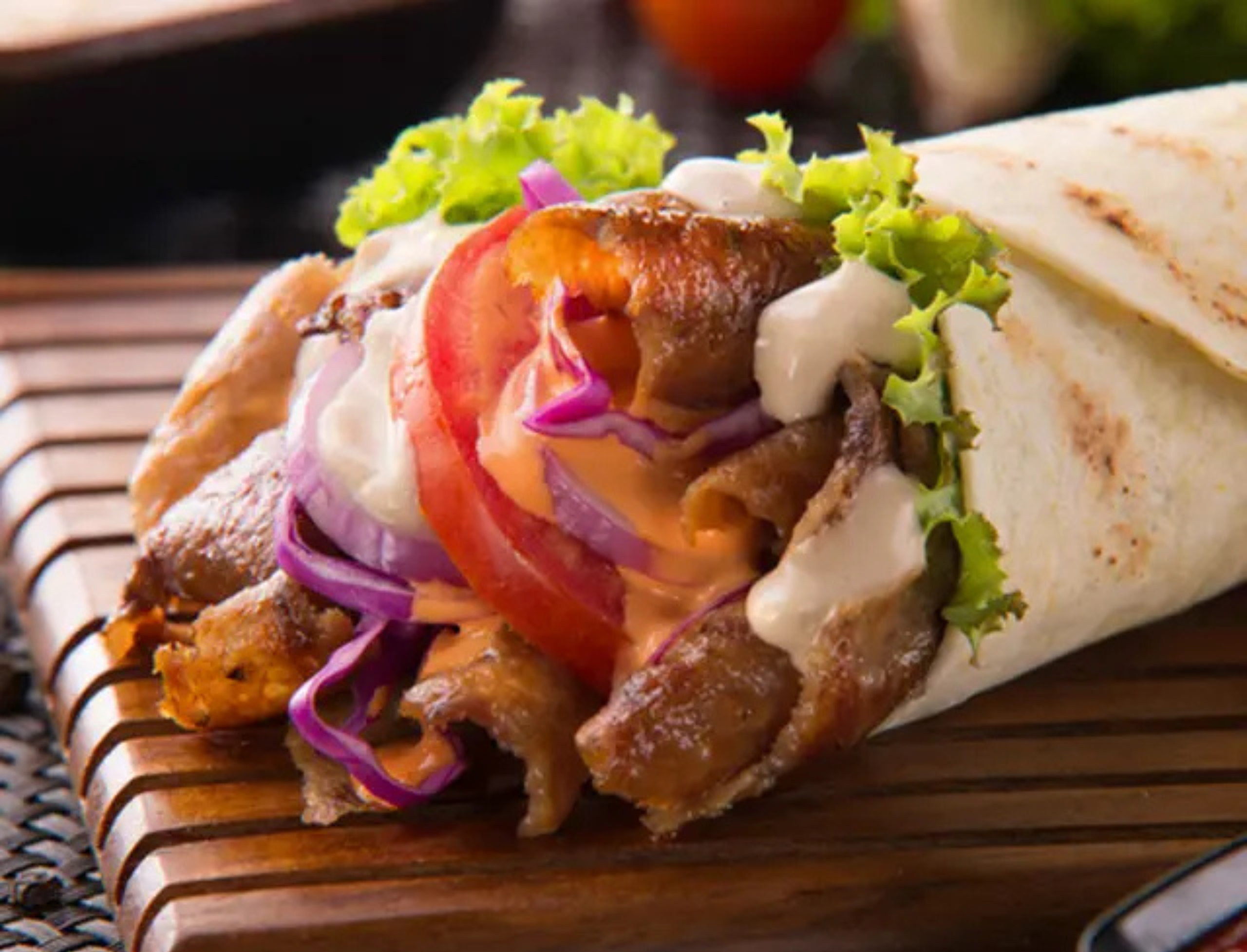
- Wraps – Filled with lettuce, tomato, onion, and sauces.
- Plates – Served with rice, salad, and chips.
- Snack packs (HSPs) – Layered with chips, cheese, and sauce.
- Rolls – Quick and easy handheld versions.
Each variation keeps the essence of the doner kebab — smoky, juicy, and full of flavour.
Global Twists on a Turkish Classic
Different countries have put their own spin on this dish:
- Turkey: Served simply with pita or rice.
- Germany: Known as Döner Kebap, it’s packed with salad and yoghurt sauce.
- United Kingdom: A late-night favourite with chips and garlic sauce.
- Australia: Famous for adding tomato or chilli sauce and the beloved HSP.
Why People Love Doner Kebabs
There’s a reason doner kebabs remain so popular — they’re quick, flavourful, and endlessly customisable. Whether you want a hearty wrap, a lighter plate, or a full snack pack, there’s always a version to suit your taste.
Despite being seen as fast food, doner kebabs can be a balanced meal when made with lean meats and fresh ingredients. Opting for grilled options and lighter sauces like garlic or yoghurt keeps things wholesome without losing flavour.
Fun Fact
The vertical rotisserie used for doner kebabs inspired similar dishes around the world, like Greek gyros and Middle Eastern shawarma. Each has its own twist on spices, sauces, and style — but all share the same delicious foundation.
FAQs
Q: What kind of meat is used in a doner kebab?
Traditionally lamb, but chicken and beef versions are also common and equally delicious.
Q: Is doner kebab healthy?
It can be — depending on how it’s made. Choosing grilled meat, lots of salad, and lighter sauces makes it a well-balanced meal.
Q: What’s the difference between doner, shawarma, and gyro?
They all use spit-roasted meat, but differ in spices, toppings, and preparation styles based on regional traditions.
Q: Can doner kebab be halal?
Yes, many kebab shops use halal-certified meats to suit different dietary needs.
Q: What are the best sauces for kebabs?
Garlic, chilli, yoghurt, and tahini sauces are classic favourites — each adds its own personality and kick.
The doner kebab remains a symbol of great flavour, culture, and craftsmanship. From its Turkish roots to its global fame, it continues to prove that simple ingredients cooked the right way can create something truly unforgettable.