Why More People Are Choosing Halal Food Over Regular Fast Food
Best Halal Food Near You
In a world where convenience once defined dining choices, fast food dominated without question—quick meals, predictable menus, and low effort. But over the past few years, people have begun to expect more from what they eat. Fresh ingredients matter. Transparency matters. Cultural depth matters. That shift has helped halal cuisine move from a niche dietary requirement to a mainstream preference embraced by diverse communities.
What makes halal food more appealing today isn’t just religious alignment—it’s how the food is sourced, handled, cooked, and experienced. It offers a level of integrity, flavour, and craftsmanship that many people feel regular fast food fails to deliver. Rather than settling for mass-produced menus and pre-processed ingredients, diners are looking for something meaningful, healthier, and made with care.
This shift isn’t just cultural, it’s culinary.
A More Ethical and Transparent Way of Eating
One of the defining principles of halal dining is traceability. Halal preparation demands clarity about where meat comes from, how it’s processed, and how it reaches the plate. This aligns naturally with the growing demand for responsible food practices.
Consumers today want to know that what they’re eating is clean, carefully handled, and ethically sourced. Many are becoming more aware of how industrial fast-food supply chains operate—bulk processing, excessive preservatives, questionable sourcing—and they’re choosing alternatives that feel safer and more respectful.
Halal guidelines require humane treatment, proper preparation, and strict hygiene at every stage. People who care about conscious eating—even without dietary restrictions—often find halal options reassuring.
Flavour That Comes From Technique, Not Shortcuts
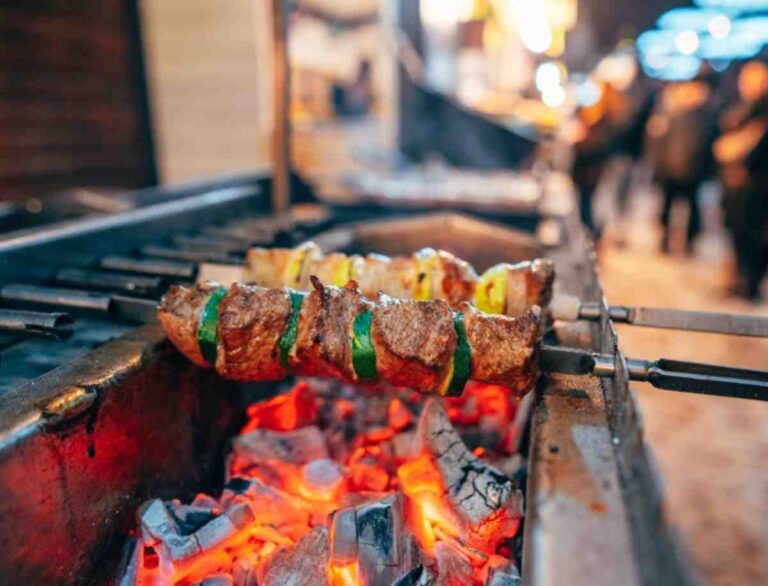
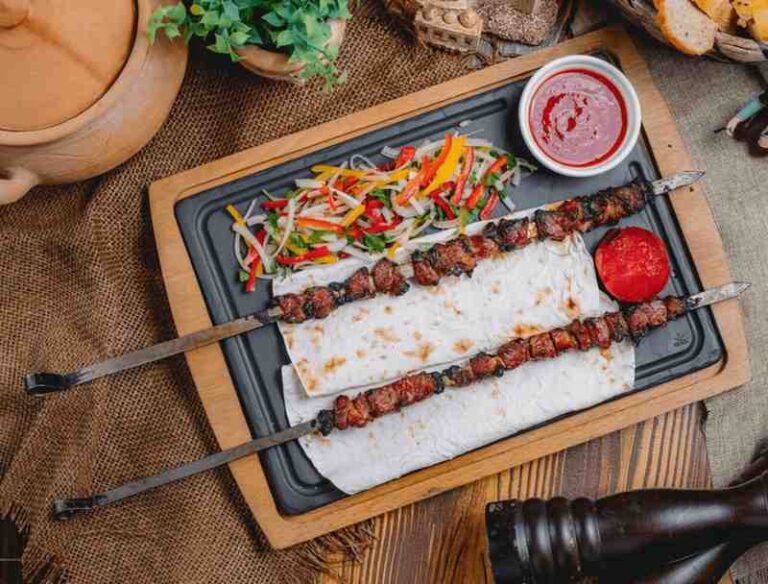
Beyond ethics, people are discovering that halal dining offers a richer culinary experience. Instead of relying on standardised seasonings and pre-packed sauces, halal dishes are often built on tradition: slow marination, charcoal grilling, hand-crafted spice blends, freshly baked breads, and meats cooked to preserve flavour rather than mask it.
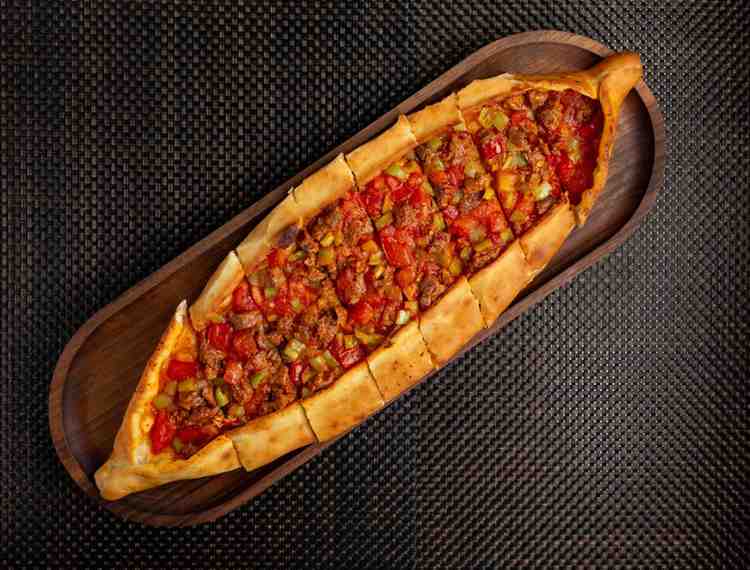
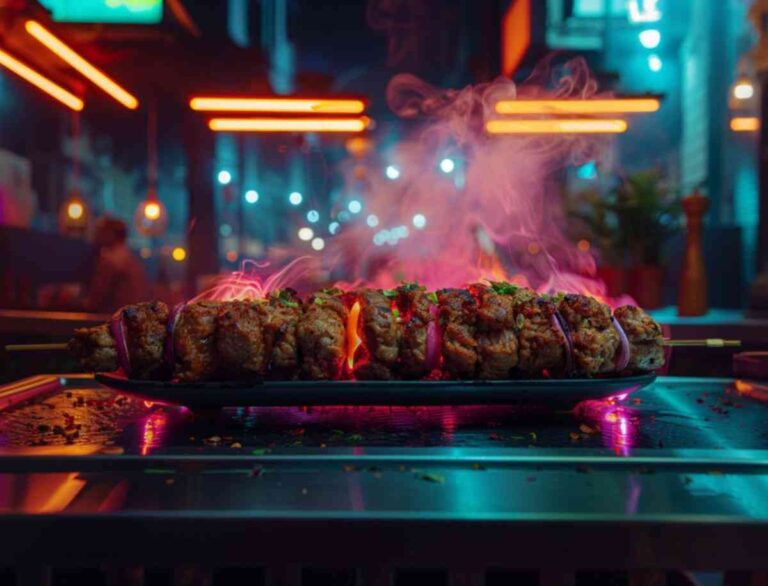
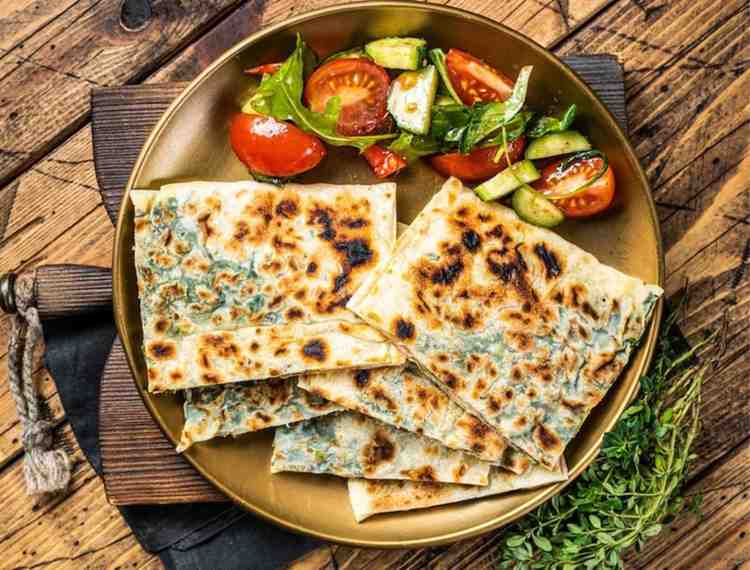
Where fast food typically aims for uniform taste, halal cuisine celebrates individuality. A plate of charcoal-grilled lamb, a hand-rolled Turkish pide, or the best kebab wrapped in soft flatbread doesn’t taste that way by accident—it’s the product of time, attention, and cultural recipes passed down through generations.
Good halal food doesn’t just feed hunger. It satisfies curiosity, comfort, and craving.
A Better Fit For Modern Food Lifestyles
Today’s diners want meals that are satisfying without being heavy, flavorful without being greasy, and indulgent without feeling guilty afterward. Halal cuisine naturally supports these preferences because many dishes are grilled, baked, or flame-cooked rather than deep-fried.
Instead of fast-food staples like processed patties and heavy sauces, halal meals often include fresh salads, wholesome rice bowls, stone-baked bread, lean grilled meats, and balanced flavours that energise rather than overwhelm.
This fits effortlessly into modern dining trends—clean eating, macro-friendly meals, high protein diets, cultural food exploration, and wellness-focused dining.
Not Just Food—A Cultural Experience
Halal cuisine is rooted in diverse culinary traditions: Turkish, Middle Eastern, North African, Mediterranean, Afghan, South Asian, and fusion influences that are now finding a place in mainstream dining. People aren’t just choosing halal because it meets a dietary code—they’re choosing it because it brings authentic flavours that fast-food chains rarely attempt.
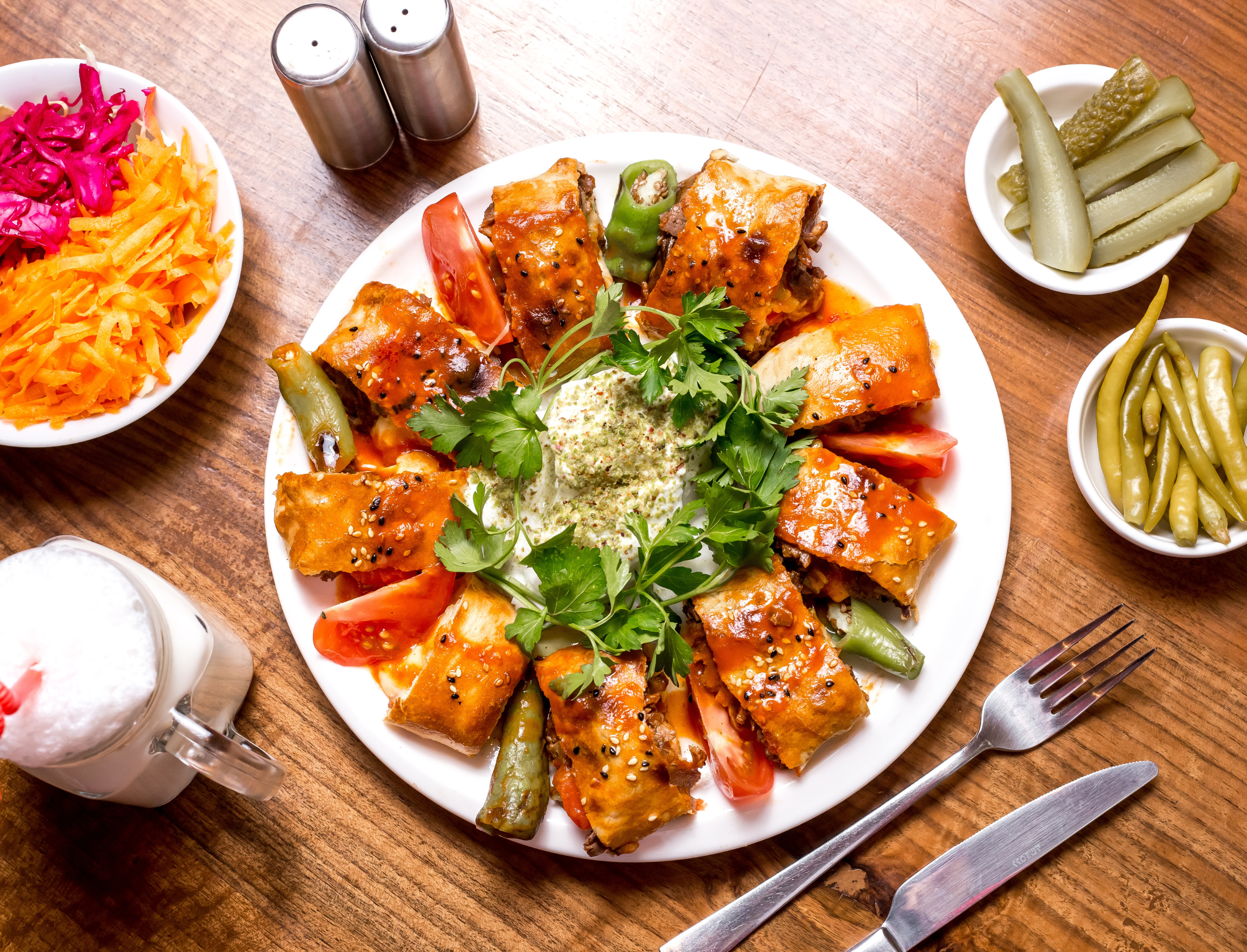
The rise of dishes like HSP platters, doner wraps, shawarma rolls, and charcoal platters has also made halal part of modern food culture, especially among younger audiences. It’s not uncommon to see halal food trending on social media, food vlogs, and community food pages, where presentation and taste go hand-in-hand.
Halal food today is not alternative—it’s aspirational.
Convenience Has Caught Up With Quality
There was a time when finding halal food required effort. Now, halal eateries are expanding into suburbs, malls, delivery platforms, and late-night dining spots. People searching halal food near me no longer need to compromise between accessibility and taste.
Halal food has adopted the fast-casual model—quick service, competitive pricing, takeaway-friendly packaging—but without abandoning fresh preparation. Customers get speed and convenience, but also flavour and authenticity.
Innovation Keeps It Fresh and Evolving
While halal cuisine is rooted in heritage, it’s not stuck in tradition. Many modern halal restaurants are embracing fusion menus—melding cultural flavours with trending formats, creating food that feels familiar yet exciting.
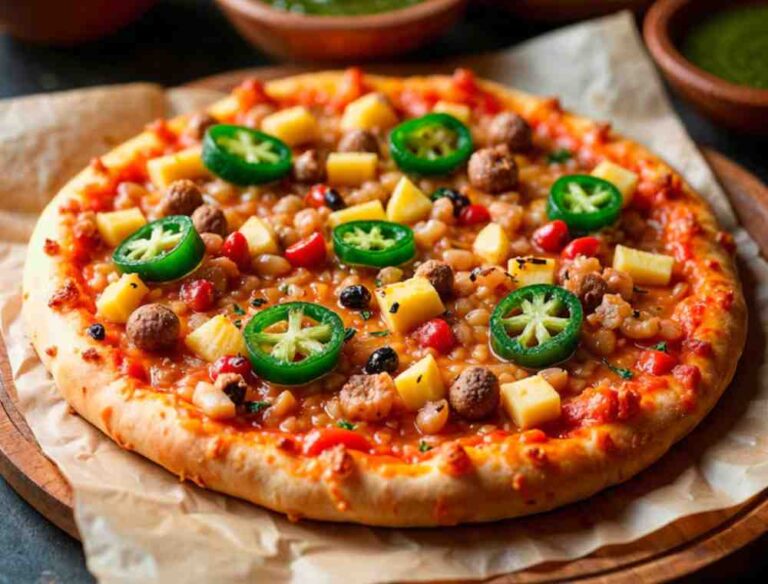
You’ll find options ranging from loaded charcoal plates to gourmet burgers, Turkish street-style wraps, freshly baked pides, and contemporary twists like halal Indian-style pizza ⧉. This blend of tradition and innovation is pushing halal cuisine into new dining spaces and appealing to broader audiences.
Halal isn’t following food trends—it’s shaping them.
A Local Taste of This Movement
In Western Sydney, restaurants like Kebab Houze Pizza & Grill bring this philosophy to life by focusing on quality ingredients, authentic marinades, in-house sauces, and cooking techniques that emphasise flavour over shortcuts. From doner kebabs and char-grilled platters to Turkish pides and pizzas, the menu reflects a commitment to halal preparation that goes beyond compliance—it’s about culinary integrity.
Whether you’re craving a late-night takeaway, a dine-in meal with depth, or simply the best kebab ⧉ made fresh to order, halal dining here is more than fast food—it’s food made with intention.
Frequently Asked Questions
- Is halal food healthier than standard fast food?
Often, yes—halal meals typically focus on fresher ingredients and grilling rather than heavy frying, leading to lighter, cleaner meals. - Do you have to be Muslim to eat halal?
Not at all. Many people choose halal for taste, sourcing, ethics, and quality. - Does halal refer to a cuisine or a process?
It refers to how food is sourced and prepared. The cuisine itself can be Turkish, Mediterranean, Indian, Western, or a fusion of styles. - Is halal more expensive?
Not necessarily. Prices are often similar to regular fast food, though quality may be higher due to fresh preparation and better ingredients.